By Salem Chicago News Staff
Another year, another round of property tax notices landing in Chicago mailboxes with numbers that make longtime homeowners wince. For a growing number of families, the math no longer works, and they’re voting with a moving truck instead of a ballot.
City and county officials routinely point to rising costs — pensions, public safety, infrastructure — as justification. Those pressures are real. But the current approach treats property tax increases as the default lever to pull, year after year, with little discussion of spending discipline on the other side of the ledger.
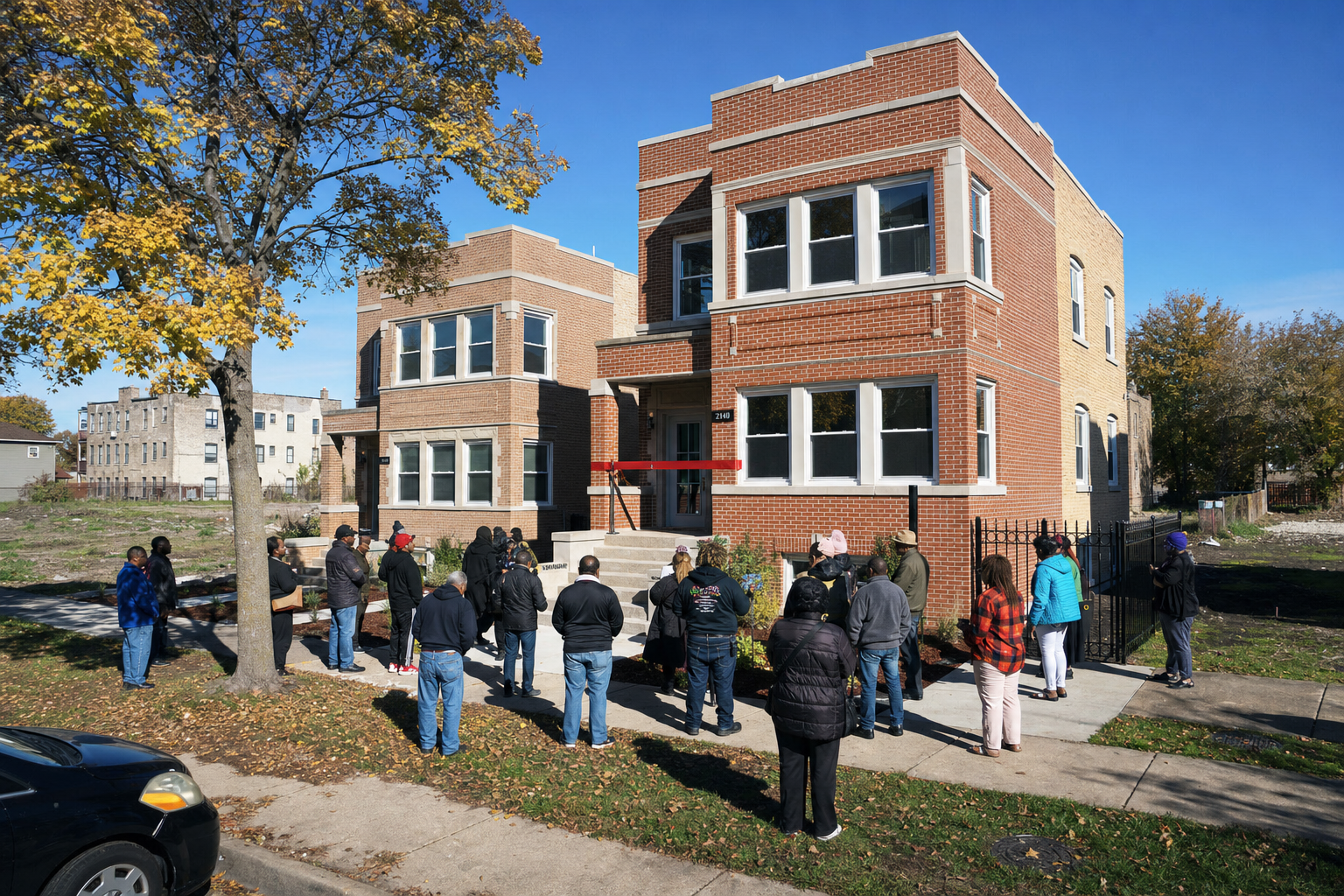
The result is a slow hollowing-out of middle-class neighborhoods that have historically anchored the city’s tax base in the first place. Every family that leaves for the suburbs over a tax bill takes future revenue with them.
Lawmakers have real alternatives worth serious debate: freezing assessments for longtime owner-occupants, tying increases more tightly to actual service improvements, or simply requiring a higher bar before new levies are approved. None of these are silver bullets, but continuing on the current path isn’t sustainable either.
Chicago doesn’t have a shortage of taxpayers willing to invest in their neighborhoods. It has a shortage of confidence that the next increase will be the last one.