By Townhall Chicago News Staff
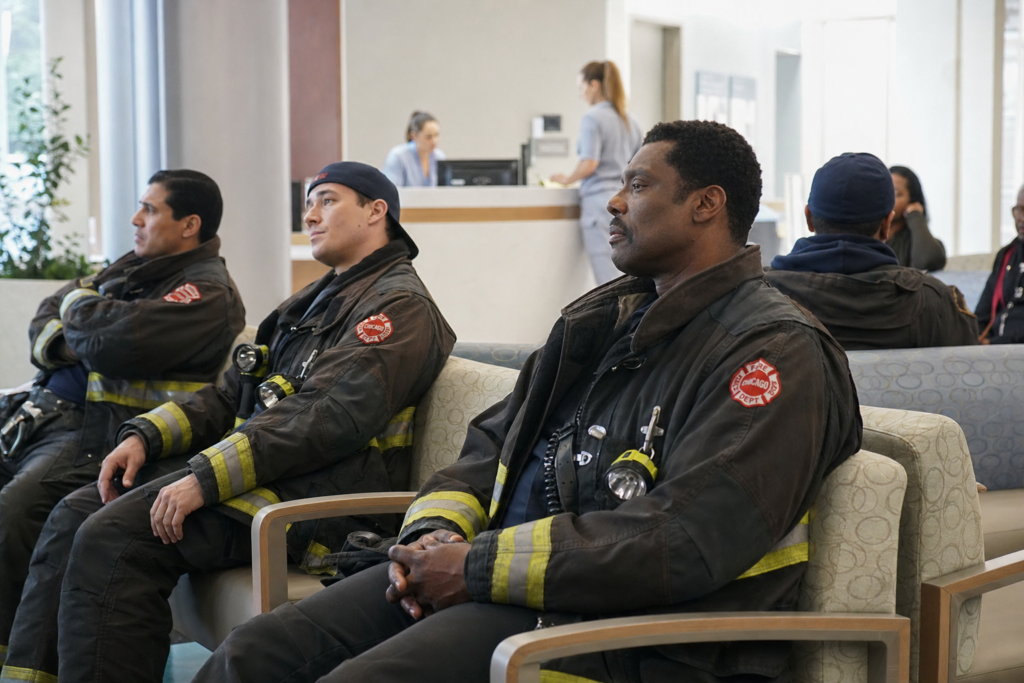
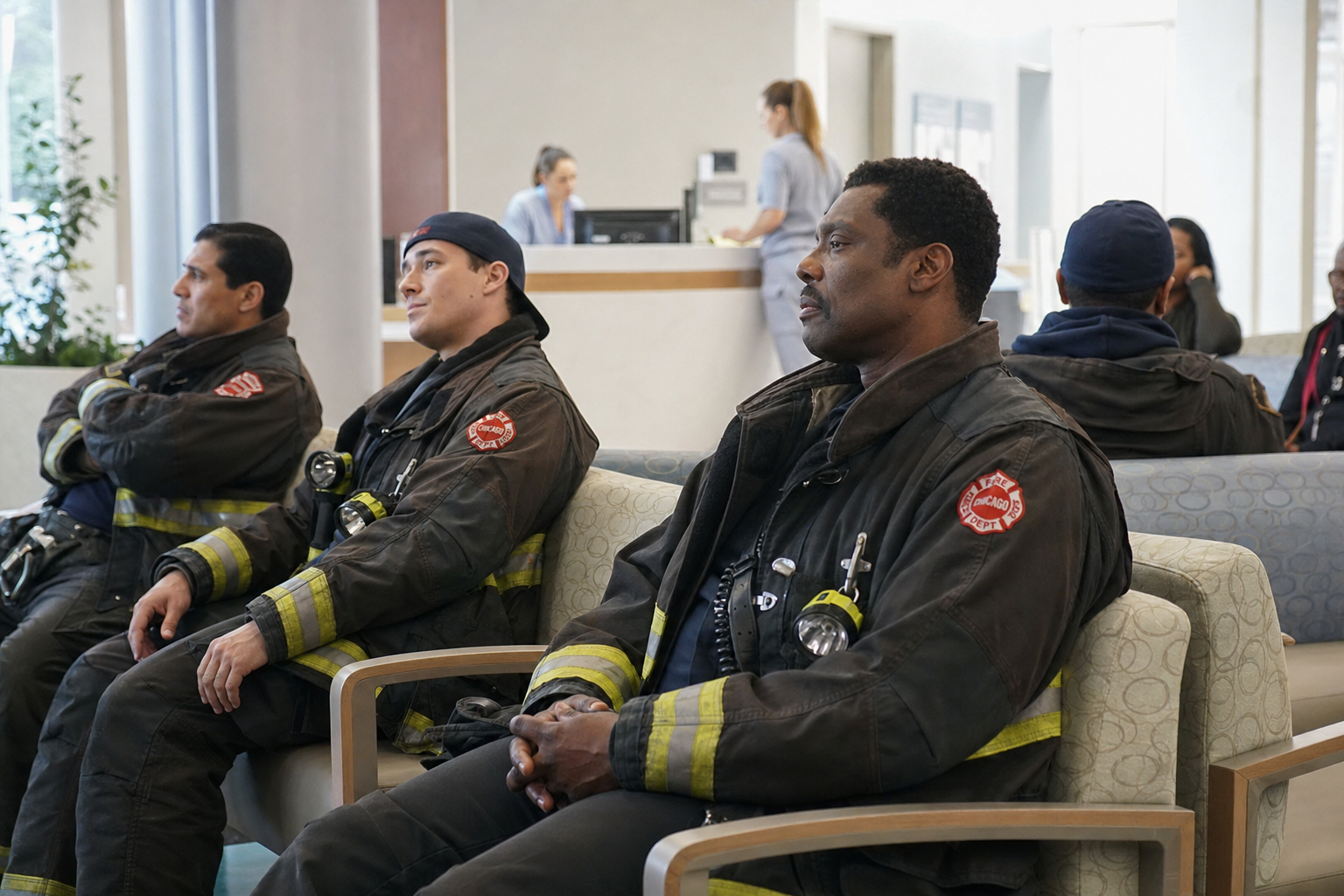
Northwestern Medicine announced Sunday it will screen more than 300 firefighters from Chicago and DeKalb for lung cancer this month through its Lung Health Center at the Canning Thoracic Institute.
The initiative, timed to Lung Cancer Awareness Month, aims to detect cancer earlier in a population that faces elevated risk from occupational exposure to smoke, diesel exhaust, asbestos, benzene and other carcinogens encountered during firefighting operations.
“Lung cancer remains the deadliest cancer in the United States, affecting both smokers and non-smokers, and yet we continue to wait for symptoms before many people receive a diagnosis,” Ankit Bharat, MD, chief of thoracic surgery and executive director of the Canning Thoracic Institute, said in a news release. “By bringing screening directly to firefighters, we’re taking a proactive approach to finding cancer earlier, when it is most treatable and potentially curable.”
Firefighters will receive low-dose CT scans, a screening method that Northwestern Medicine researchers say can detect lung cancer before symptoms appear. Nearly 80 percent of lung cancers are diagnosed at advanced stages because symptoms often do not develop until the disease has progressed, according to the release.
The screening effort builds on the Lung Health Center’s first year of operations. Launched in November 2025, the center screened nearly 1,000 participants in its inaugural year. Six patients were diagnosed with early-stage cancers and successfully treated, including two with stage 1 lung cancer who had never smoked, according to the release.
More than half of the center’s first-year participants had lung nodules or other findings that warranted ongoing surveillance. Forty percent had a smoking history but did not meet current U.S. Preventive Services Task Force screening guidelines, the release said.
A Northwestern Medicine study published in JAMA Network Open found that only 35 percent of patients treated for lung cancer would have qualified for screening under current federal guidelines. Nearly two-thirds of those who would not have qualified were women or people who had never smoked.
Researchers are now advocating for expanded, age-based screening guidelines that would offer screening to adults ages 40 to 85 regardless of smoking history. They estimate such an approach could detect 94 percent of lung cancers and prevent more than 26,000 additional deaths annually.
“Occupational cancer in the fire service reflects cumulative exposure across our entire career, not a single incident,” Erik Steinmetz, a Chicago Fire Department firefighter and president of Chicago Firefighters Union Local 2, said in the release. “We’re grateful to Northwestern Medicine for bringing low-dose CT screening directly to our members, which makes earlier detection possible when lung cancer is most treatable.”
Luke Howieson, fire chief for the City of DeKalb Fire Department, said the partnership reinforces the importance of proactive screening.
“Firefighters understand better than most people that not every risk is visible,” Howieson said in the release. “Lung cancer can develop long before symptoms appear, which is why proactive screening is so important.”
Lung cancer kills more Americans than breast, colon and prostate cancers combined, accounting for nearly one in five cancer deaths, according to the release. The Lung Health Center’s research aims to screen 10,000 individuals over five years.
Patients over the age of 21 can access the Lung Health Center through a phone consultation. More information is available at 312-695-1800 or by emailing lunghealthcenter@nm.org.