
By Townhall Chicago News Staff
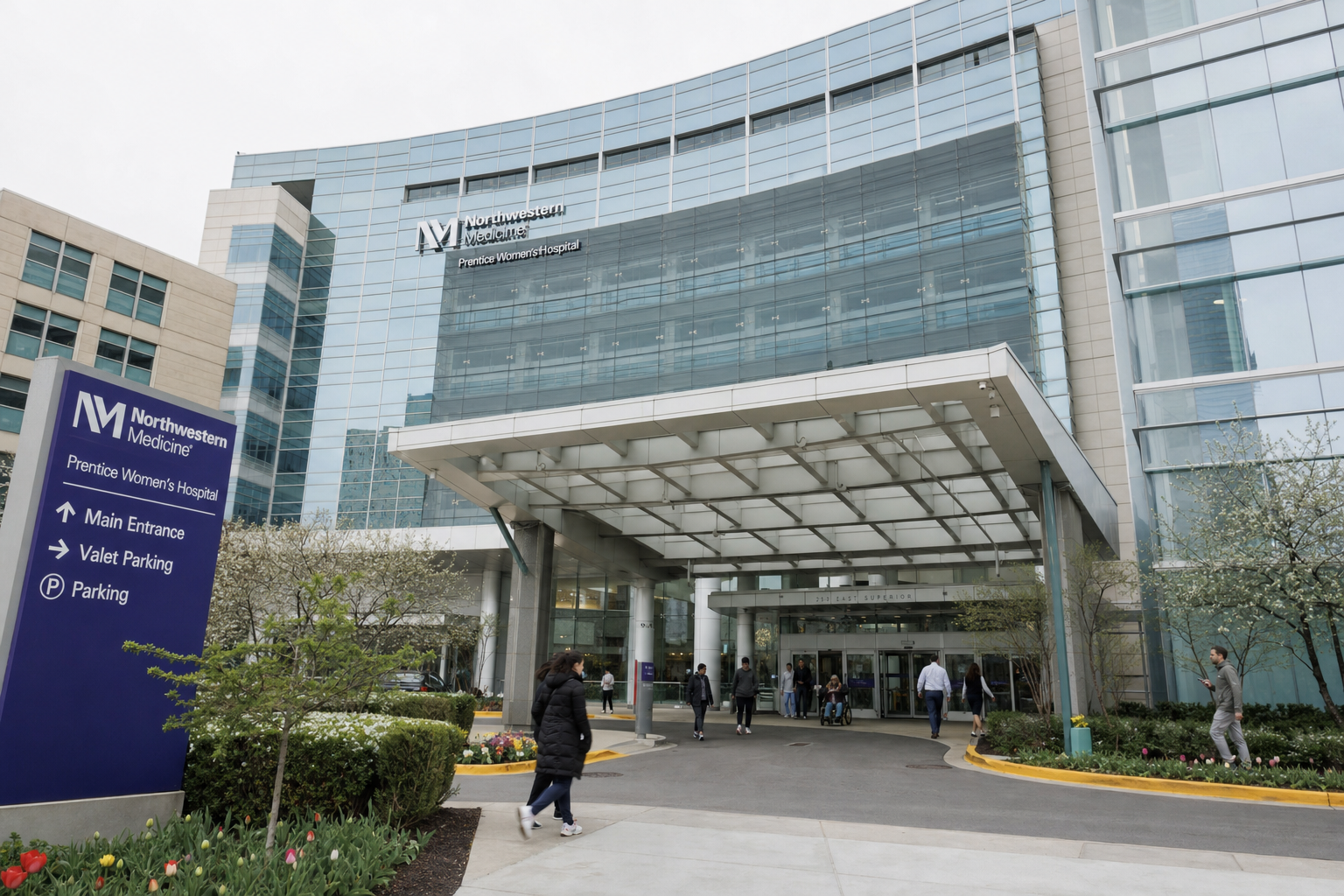
Northwestern Medicine on Monday announced the establishment of the Northwestern Medicine Transplant Institute, centralizing the health system’s transplant programs under one umbrella to accelerate research, expand access and advance patient care.
The institute launches as Northwestern Medicine’s transplant teams continue to set records, including performing the system’s 3,000th liver transplant in September, a first for any program in Illinois.
“For more than six decades, Northwestern Medicine has helped shape the evolution of transplant care,” Howard Chrisman, president and chief executive officer of Northwestern Memorial HealthCare, said in a news release. “Through philanthropic support, Northwestern Medicine will continue to shape a future where even more patients have the opportunity to thrive after transplant.”
The institute was made possible by a five-year fundraising campaign, according to the release. It brings together nationally recognized programs and multidisciplinary teams focused on innovation in areas including AI-powered donor matching, awake kidney transplantation, liver transplants for terminal colon cancer, robotic surgery and regenerative medicine.
In 2025, Northwestern Medicine performed 691 transplants, the most in its history. The system ranks among the nation’s top 10 transplant centers by volume and is home to the largest liver, kidney and living donor transplant programs in Illinois, according to the release.
The institute will house several specialized centers: the Tony and Laura Davis Center for Kidney Transplantation, the Center for Liver Diseases and Transplantation, the Center for Pancreas, Islet Cell and Intestinal Transplantation, the Kovler Organ Transplantation Clinic, and the Siragusa Transplantation Center at Ann & Robert H. Lurie Children’s Hospital of Chicago. Additional centers will focus on transplant research and education, transplant access and transplant innovation.
“Our vision is to become the destination for transplant innovation, a place patients turn to when options have run out elsewhere, and where breakthrough science, exceptional clinical care and bold thinking come together to make the impossible possible,” Satish Nadig, a transplant surgeon and executive director of the institute, said in the release.
Nadig described the institute as the culmination of a vision that took shape over five years. “We really had to think about what does transplant mean to Northwestern and what exactly can we do to change the landscape of the field,” Nadig said in the release. “It became very clear to us that we hang our hat on this idea of innovation, so we got to work.”
Among the patient stories highlighted in the announcement was that of Art Nichols, 70, of West Bloomfield Township, Michigan, who received a kidney from his daughter, Natalie Nichols, in September. Art Nichols, who was diagnosed with multiple myeloma in late 2023 and spent years on dialysis, did not know his daughter had been tested as a potential donor.
“Natalie walked through the door of my hospital room at Northwestern Memorial Hospital, and I couldn’t believe my eyes,” Art Nichols said in the release. “Natalie and Northwestern Medicine have given me a second chance at life.”
Northwestern Medicine has performed 25 awake kidney transplant procedures since launching the program in June 2024, allowing select patients to undergo the surgery without general anesthesia.
The health system is also advancing xenotransplantation, the use of animal organs in human patients, as part of its broader research portfolio. More information about the Transplant Institute is available at nm.org.