OPINION
By Townhall Chicago News Editorial Board
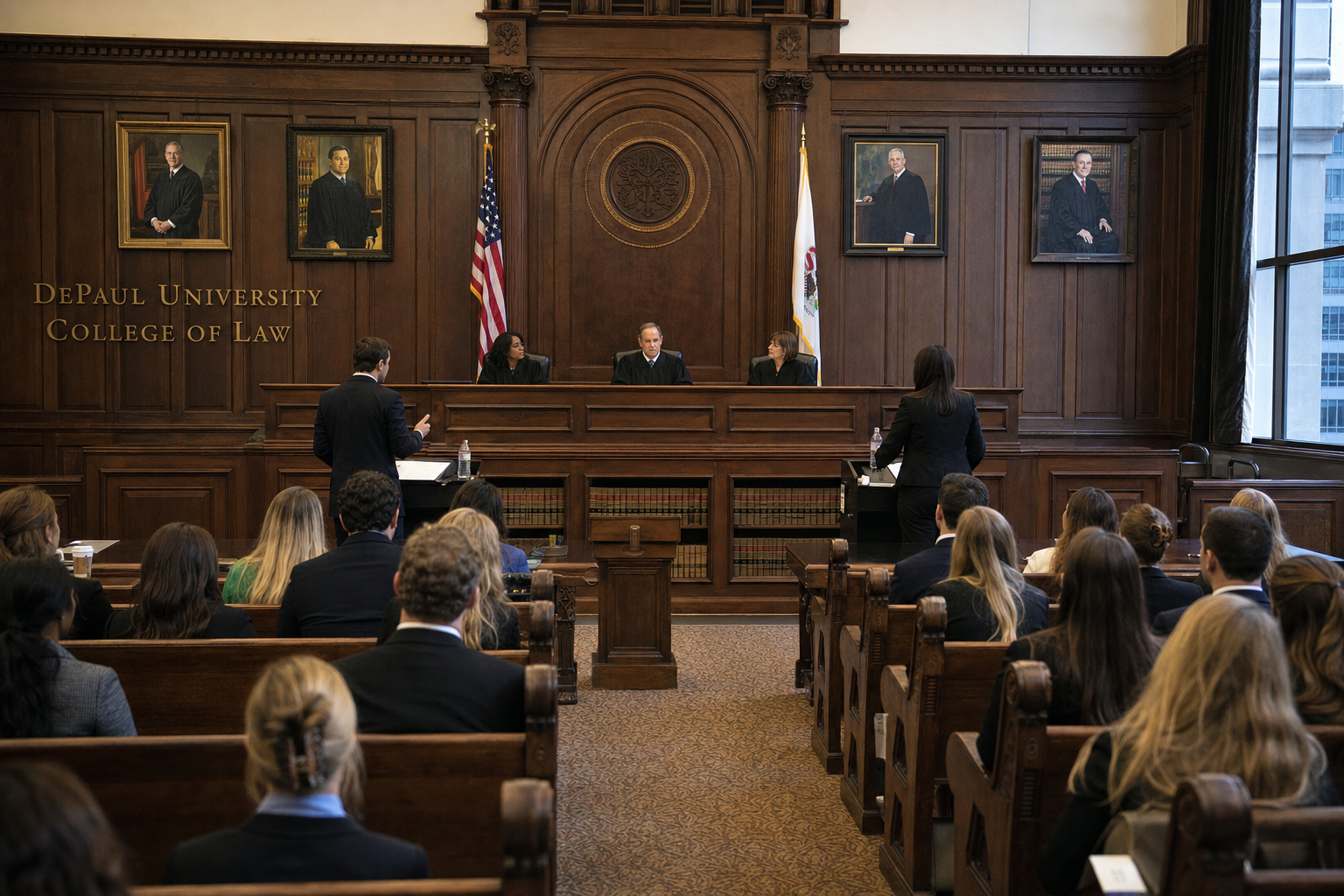
Cook County State’s Attorney Eileen Burke announced on Tuesday the formation of what her office branded an “elite legal team” to defend the county’s assault weapons ban before the U.S. Supreme Court. The case, Viramontes v. Cook County, consolidated with Connecticut’s Grant v. Higgins, will be argued on Dec. 2 and could shape firearms law nationwide. The announcement raises serious questions — not only about the Second Amendment but about the propriety of a local prosecutor mounting a public-relations campaign around a constitutional case that will be decided on legal merits, not press conferences.
The stakes are genuinely high. The Cook County ordinance, first enacted in 1993 and amended in 2013, bans the sale, possession and transfer of semiautomatic rifles and large-capacity magazines. As CBS Chicago reported on Tuesday, Burke said the outcome “could shape common sense gun safety laws across the country.” She framed the effort as a matter of life and death. Yet the Supreme Court will not be weighing sound bites. It will be applying the constitutional framework it established in District of Columbia v. Heller (2008), McDonald v. City of Chicago (2010) and, most critically, New York State Rifle & Pistol Association, Inc. v. Bruen (2022).
Under Bruen, when the Second Amendment’s plain text covers individual conduct, that conduct is presumptively protected unless the government can demonstrate a regulation consistent with the nation’s historical tradition of firearms regulation. That is a demanding standard. The Seventh Circuit upheld Cook County’s ban in a nonprecedential decision in June 2025, according to court records available on SCOTUSblog. But the en banc Third Circuit reached the opposite conclusion in July 2026, striking down New Jersey’s semiautomatic-rifle ban. The circuit split is precisely why the Supreme Court took the case. U.S. Solicitor General D. John Sauer filed a brief in September arguing that AR-15-pattern rifles are constitutionally protected arms in common use, according to legal analyst Eugene Volokh writing for Reason.
Burke’s announcement named Jeff Fisher of Stanford Law School’s Supreme Court Litigation Clinic and noted collaboration with former U.S. Solicitor General Elizabeth Prelogar, who represents Connecticut, according to the Cook County State’s Attorney’s Office news release. Everytown for Gun Safety, Brady United and GIFFORDS are also contributing support. The legal firepower is formidable. But taxpayers deserve to know the cost. Cook County residents already shoulder one of the nation’s highest combined tax burdens. The State’s Attorney’s Office has not disclosed what this assembled team will cost the county. When a prosecutor brands a litigation strategy as “elite” and surrounds it with advocacy organizations, the line between legal defense and political positioning blurs.
In fairness, defenders of the ordinance raise a legitimate public-safety argument. Semiautomatic rifles have been used in some of the nation’s deadliest mass shootings, including the 2012 Sandy Hook massacre that prompted Connecticut’s ban. Communities have a genuine interest in reducing the availability of weapons capable of inflicting catastrophic harm in seconds. Burke’s office has won at every stage in the lower courts, and her legal position is not frivolous.
However, constitutional rights are not subject to cost-benefit analysis by prosecutors. The Second Amendment either protects the class of arms at issue or it does not. The Bruen framework directs courts to history and text, not policy preferences. If Cook County’s ban cannot survive that test, no amount of elite lawyering will — or should — save it. Conversely, if the historical record supports the regulation, the ban will stand on its own merits regardless of how many press conferences preceded the argument.
What Cook County taxpayers deserve is a transparent accounting of the resources being committed to this case and an honest assessment that the constitutional question is genuinely close. The rule of law means that courts, not prosecutors’ messaging strategies, determine constitutionality. Burke’s office should litigate vigorously, as any defender of local law should. But branding the effort suggests a political objective layered atop a legal one. Voters can evaluate both — and they should.