
By Townhall Chicago News Staff
Cook County public health officials on Friday released an interactive map showing where 13 rabid bats have been found across the county this year, urging Halloween trick-or-treaters to stay alert and avoid contact with bats.
The Halloween-themed map, created by the county’s Geographic Information Systems Department, turns abstract health data into a neighborhood-level visual tool for families heading out Saturday night. The Cook County Department of Animal and Rabies Control (ARC) said the bats were typically found inside residents’ homes, meaning even indoor pets face potential exposure.
“Rabies is a completely preventable disease and is always fatal to unvaccinated pets,” ARC Administrator Dr. Megan Carolan said in a news release. “Ensuring your dogs and cats are current on rabies vaccinations and other vaccinations is critical to their health and yours.”
In December 2025, ARC recorded the first rabies case in a dog within Cook County in more than 60 years, according to the release. The Centers for Disease Control and Prevention estimates roughly 60 to 70 dogs and 250 cats contract rabies nationally each year.
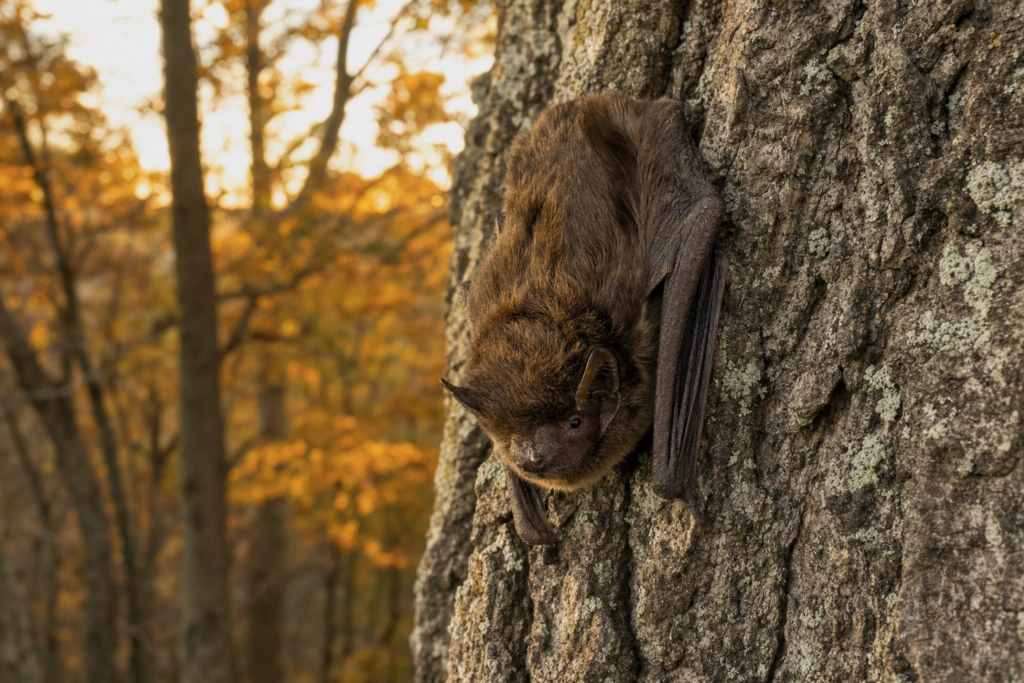
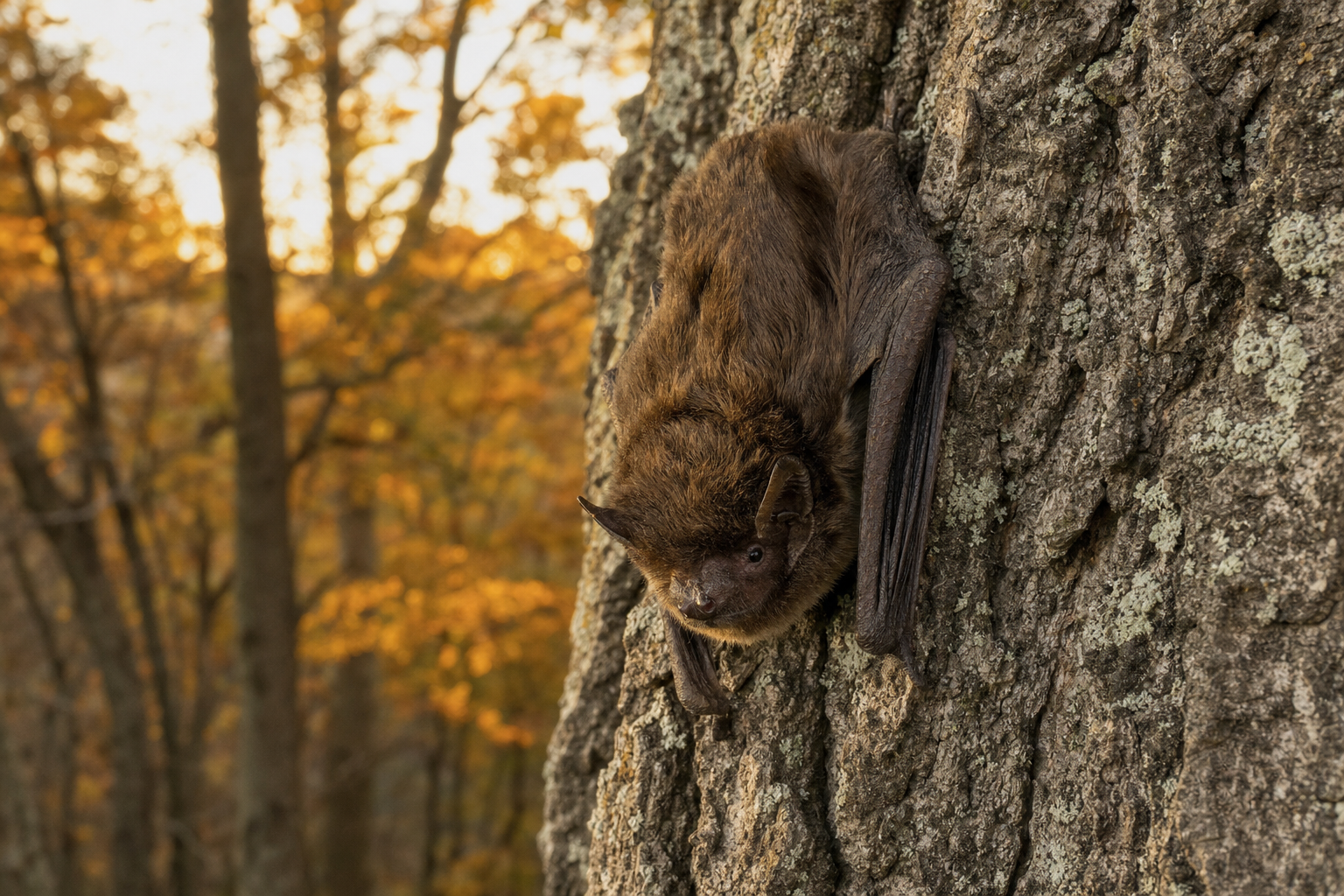
The Forest Preserves of Cook County has surveyed and researched bats for more than four decades, documenting nine species in the county. About half of those species are colonial, roosting in groups of hundreds or thousands. The others are solitary and hang alone or in small family groups in trees and shrubs.
“A GIS map helps turn statistics into a story,” said Wig Ingente, the county’s GIS program coordinator. “We’re using this technology to transform abstract health warnings into a tangible, visual tool that helps residents instantly understand the real-world risk in their own neighborhoods.”
ARC has hosted 46 low-cost or free vaccination clinics this year through its Partners in Prevention program, vaccinating more than 5,600 pets against rabies and administering approximately 2,200 microchips, according to the release.
Officials stressed that wild bats should never be handled by residents. Healthy bat populations play an important ecological role, consuming large amounts of insects, including mosquitoes. A single half-ounce little brown bat can eat half its body weight in insects each night, ARC said.
“Bats are amazing flying mammals that act as important bio monitors, helping to indicate the health of our environment,” Chris Anchor, senior wildlife biologist for the Forest Preserves of Cook County, said in the release.
Rabies is almost always fatal to humans if left untreated. The viral disease spreads when an infected animal scratches or bites another animal or a person. The CDC advises anyone who has been in contact with wildlife or unfamiliar animals, particularly if bitten or scratched, to consult a healthcare or public health professional to determine risk.
Residents can view the interactive map and find more information on ARC’s rabies prevention webpage at cookcountyil.gov.
Source: Cook County Government