
By Townhall Chicago News Staff
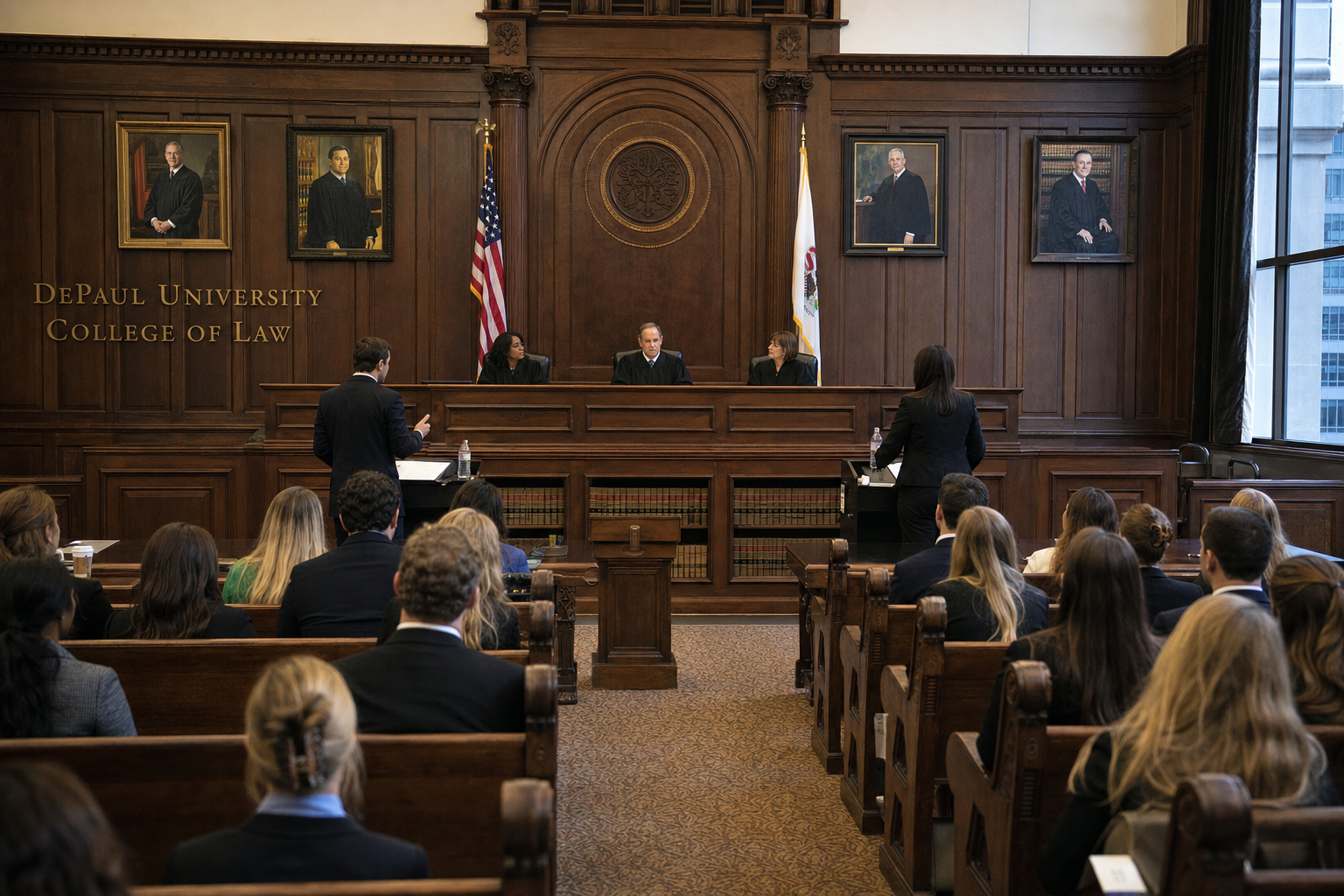
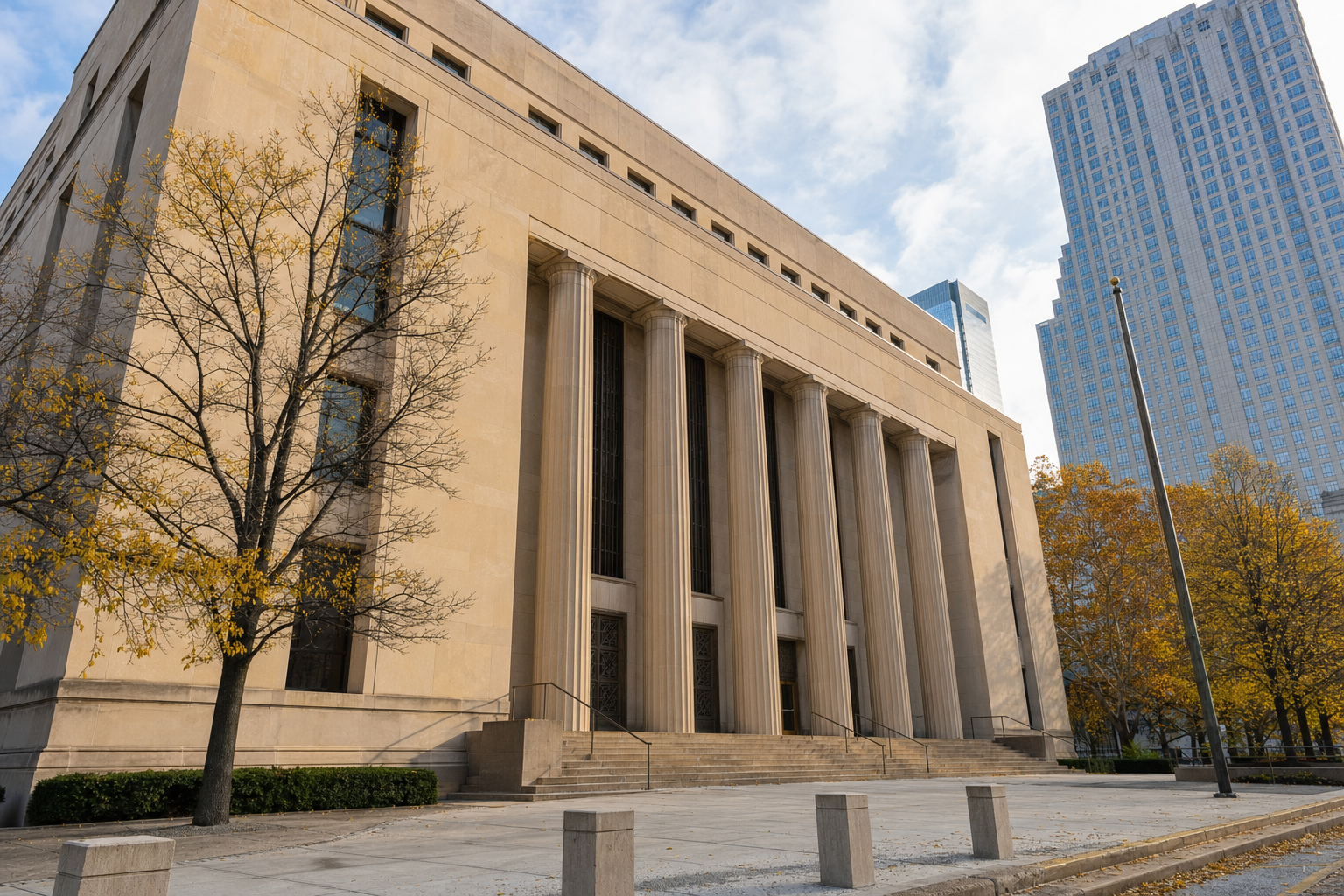
The Cook County State’s Attorney’s Office on Wednesday argued before the Seventh Circuit Court of Appeals in defense of the county’s sanctuary ordinance, which prohibits county employees from sharing information with federal immigration authorities about an individual’s incarceration status or release date.
The case, U.S. v. Illinois, et al., challenges sanctuary policies enacted by Cook County, Chicago, the State of Illinois and other local jurisdictions. The outcome could reshape the relationship between local governments and federal immigration enforcement across the region.
“The federal government should not be targeting people because of how they look or the language they speak,” Cook County State’s Attorney Eileen Burke said in a statement after oral arguments concluded. “Sanctuary policies are meant to foster increased trust with law enforcement so they can protect everyone, including hardworking families who are contributing to our communities.”
Burke called the federal government’s challenge “baseless and yet another example of troubling overreach that threatens public safety,” according to the statement.
At the center of the dispute is Cook County’s Policy on Responding to ICE Detainers. The policy bars county employees from providing U.S. Immigration and Customs Enforcement with information about when an individual in county custody is scheduled to be released. Supporters say the policy encourages immigrant communities to cooperate with local law enforcement without fear of deportation.
The federal government has argued that such policies obstruct immigration enforcement. The case is one of several nationwide in which the Justice Department has challenged local sanctuary measures.
The Cook County State’s Attorney’s Office is representing the county in the appeal. The office has taken an increasingly active role in defending local and state policies against federal challenges, including a separate defense of Cook County’s assault weapons ban now pending before the U.S. Supreme Court.
Burke’s office filed a brief with the Supreme Court in October defending the assault weapons ban in Viramontes v. Cook County. The office also assembled an outside legal team of constitutional law experts and Supreme Court litigators for that case, according to an Oct. 7 news release from the office.
The sanctuary case is being watched closely by immigration advocates and local governments across Illinois. Cook County has maintained its sanctuary policy since 2017, and Chicago adopted a similar welcoming city ordinance. The State of Illinois also has laws limiting cooperation with federal immigration authorities.
The Seventh Circuit did not indicate when it would issue a ruling. A decision could set precedent for how sanctuary policies are treated across Illinois, Indiana and Wisconsin, the three states within the court’s jurisdiction.