By Townhall Chicago News Staff
U.S. businesses are pressing ahead with investments in artificial intelligence, automation and equipment even as higher borrowing costs, inflation and geopolitical uncertainty continue to shape their decisions, according to BMO Financial Group’s fall Business Outlook report released Monday.
The report, issued from BMO’s U.S. headquarters in Chicago, found that middle-market companies are moving forward with investments that had previously been delayed while applying greater scrutiny to returns and maintaining financial flexibility.
“We’re seeing companies become more willing to move forward, but they’re not abandoning the discipline they’ve developed over the past several years,” Tony Sciarrino, head of BMO Commercial Bank U.S., said in the report. “Businesses are protecting margins, maintaining flexibility and putting capital behind technology, productivity, acquisitions and other investments where there is a clear return.”
The defining theme heading into 2027 is confidence translating into action, but selectively, according to the report. AI has moved from curiosity to measurable return on investment, merger and acquisition pipelines remain active, and companies continue to invest in supply-chain resilience.
Labor availability remains a structural constraint across many industries, increasing the importance of productivity and automation investments. At the same time, higher financing and operating costs are putting greater pressure on companies to protect margins, the report found.
“AI-related investment remains an important source of economic support, but businesses are operating in an environment where the cost of capital and persistent inflation still matter,” Scott Anderson, BMO’s chief U.S. economist, said in the report.
The Federal Reserve cut rates last year, but inflation pressures contributed to a rate increase this fall, while long-term borrowing costs remain elevated, according to BMO’s analysis.
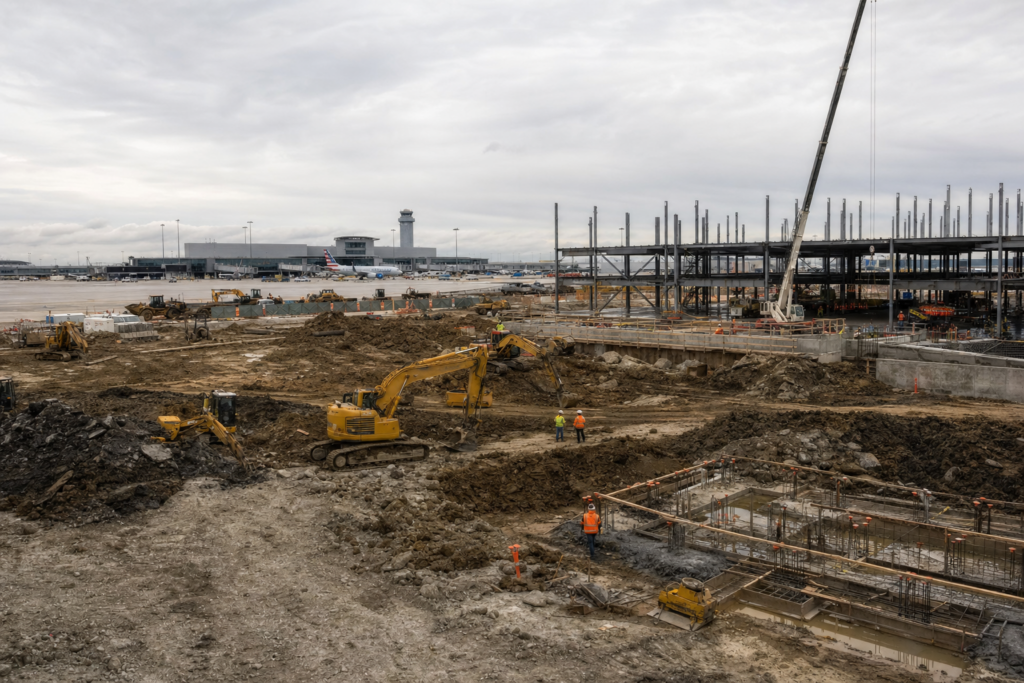
The report included a regional outlook for Illinois, noting that advanced manufacturing, food production, industrial equipment and data-center infrastructure are creating growth opportunities in the state. Competition for skilled manufacturing, engineering and construction workers remains intense, pushing businesses to invest in automation and AI, the report found.
Midterm elections have also changed the policy landscape heading into 2027, with businesses closely watching potential changes to tax, trade, regulatory, energy and infrastructure policy, according to the report. Companies are evaluating how those shifts could affect their operations and long-term investment plans.
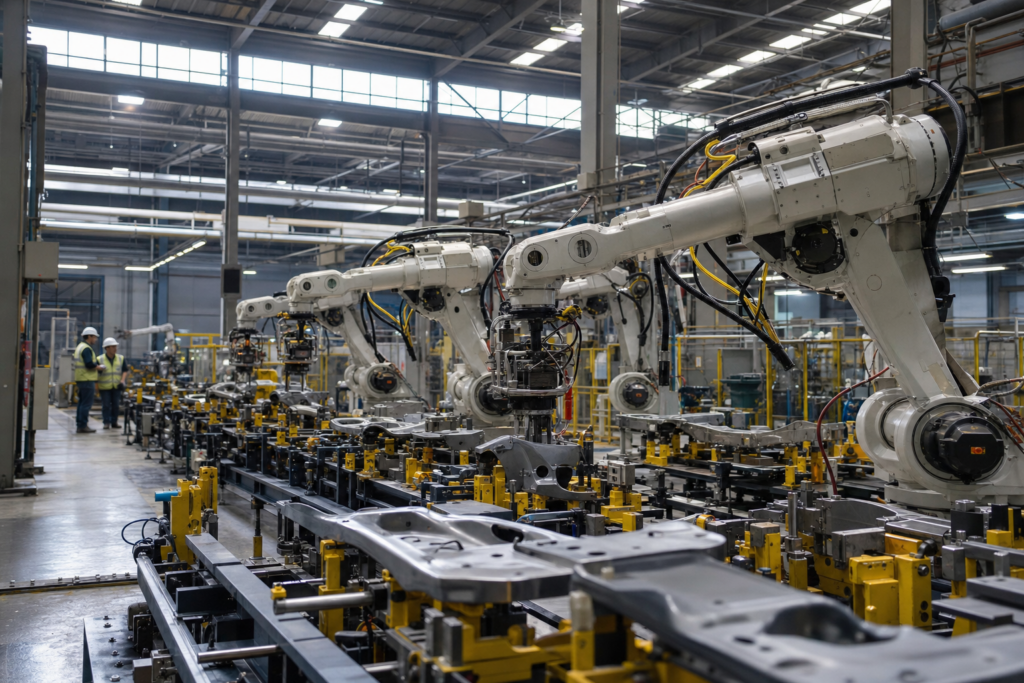
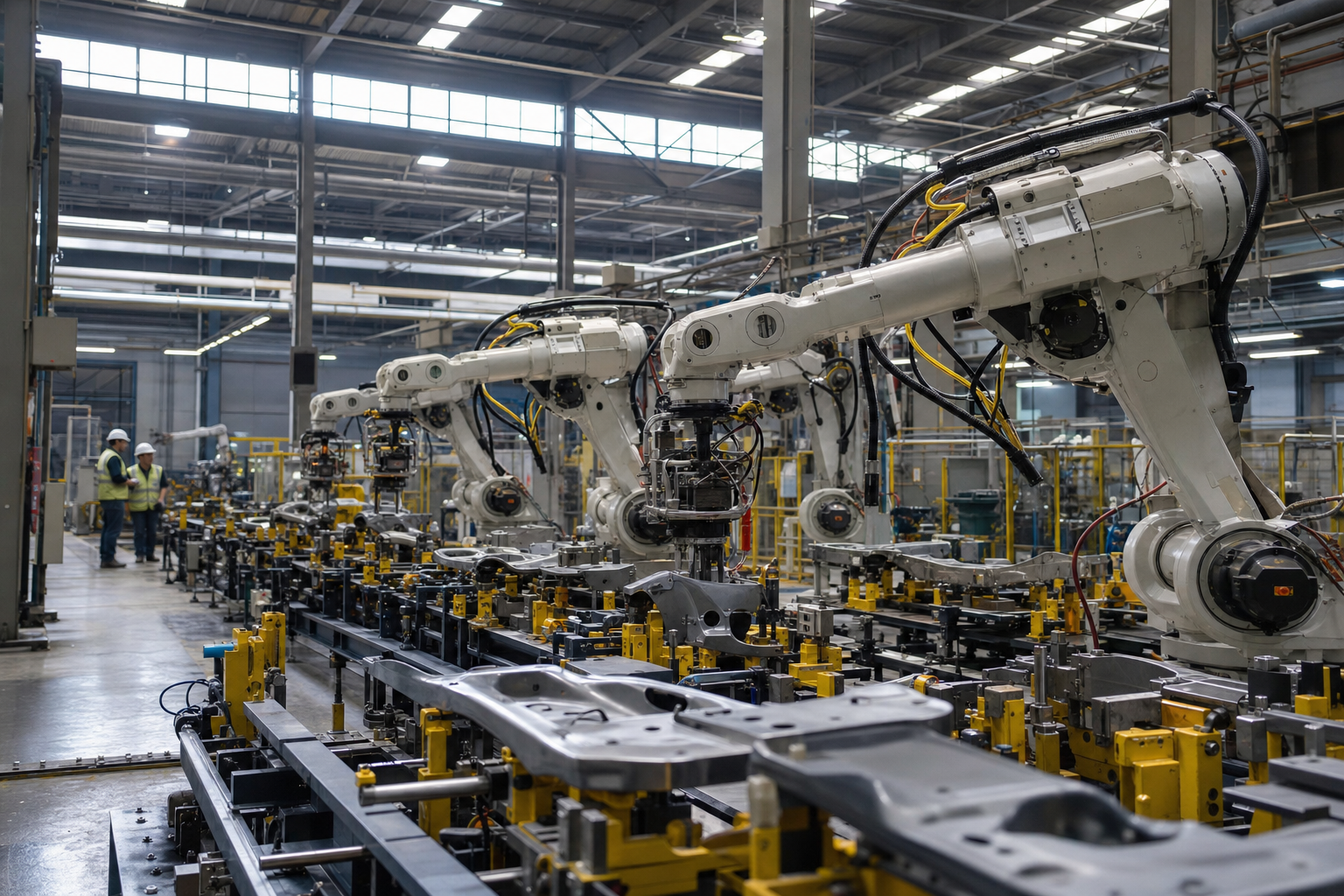
Across other sectors, the report found that food and beverage companies are responding to volatile input costs with greater sourcing flexibility and selective acquisitions. Manufacturers facing skilled-labor shortages are turning to robotics and AI to improve productivity. In the technology sector, the AI discussion has shifted from capabilities to economics, with companies increasingly focused on measurable returns.
BMO Financial Group is the eighth-largest bank in North America by assets, with total assets of $1.5 trillion as of July 31, 2026, according to the company. BMO’s U.S. operations are centered in Chicago, where the bank maintains a significant commercial and personal banking presence.
The full report covers regional economic outlooks for Arizona, Northern and Southern California, Florida, Illinois, Indiana, Minnesota, the Pacific Northwest, Texas, Utah and Wisconsin. The complete report is available on BMO’s newsroom website.