By Townhall Chicago News Staff
The American Medical Association on Wednesday announced a new framework for assigning liability when artificial intelligence tools used in clinical care cause patient harm, seeking to clarify responsibilities among physicians, hospitals and AI developers.
The framework, developed by the AMA’s Center for Digital Health and AI, addresses what the Chicago-based organization called an increasingly urgent question as AI takes on an expanding role in diagnosing disease, recommending treatments and guiding clinical decisions.
“Patients must have meaningful avenues for recourse when clinical AI causes harm, and physicians must be able to use these technologies with confidence that responsibility reflects what they can reasonably know and control,” AMA President Willie Underwood III said in a news release. “As AI assumes more clinical functions, developers, healthcare organizations and physicians each have important responsibilities.”
The framework establishes four categories of responsibility across the clinical AI lifecycle, according to the release.
Developers and manufacturers should demonstrate and maintain the safety and effectiveness of their products and address risks within their control. Health care organizations should be accountable for how AI systems are selected, implemented, governed and monitored in real-world settings. Physicians should be responsible for the clinical judgment they can meaningfully exercise, based on a system’s intended use, known limitations and the information available at the point of care. Patients must retain meaningful avenues for seeking accountability when harm results from defective AI systems.
“We need clear expectations that protect patients, support sound clinical judgment, and ensure accountability remains with those best positioned to prevent harm,” Underwood said.
The AMA said existing liability frameworks were not designed for technologies in which physicians, developers and health care organizations each exercise different levels of control over clinical AI systems. As a result, physicians may face liability for risks they cannot reasonably prevent, while patients may struggle to seek remedies when AI causes harm, the organization said.
The framework recognizes that multiple parties may bear liability when something goes wrong, with accountability aligned with each party’s ability to prevent harm, according to the release. It also emphasizes that physician oversight cannot substitute for adequate evidence, appropriate system design or the conditions necessary to make clinical review meaningful.
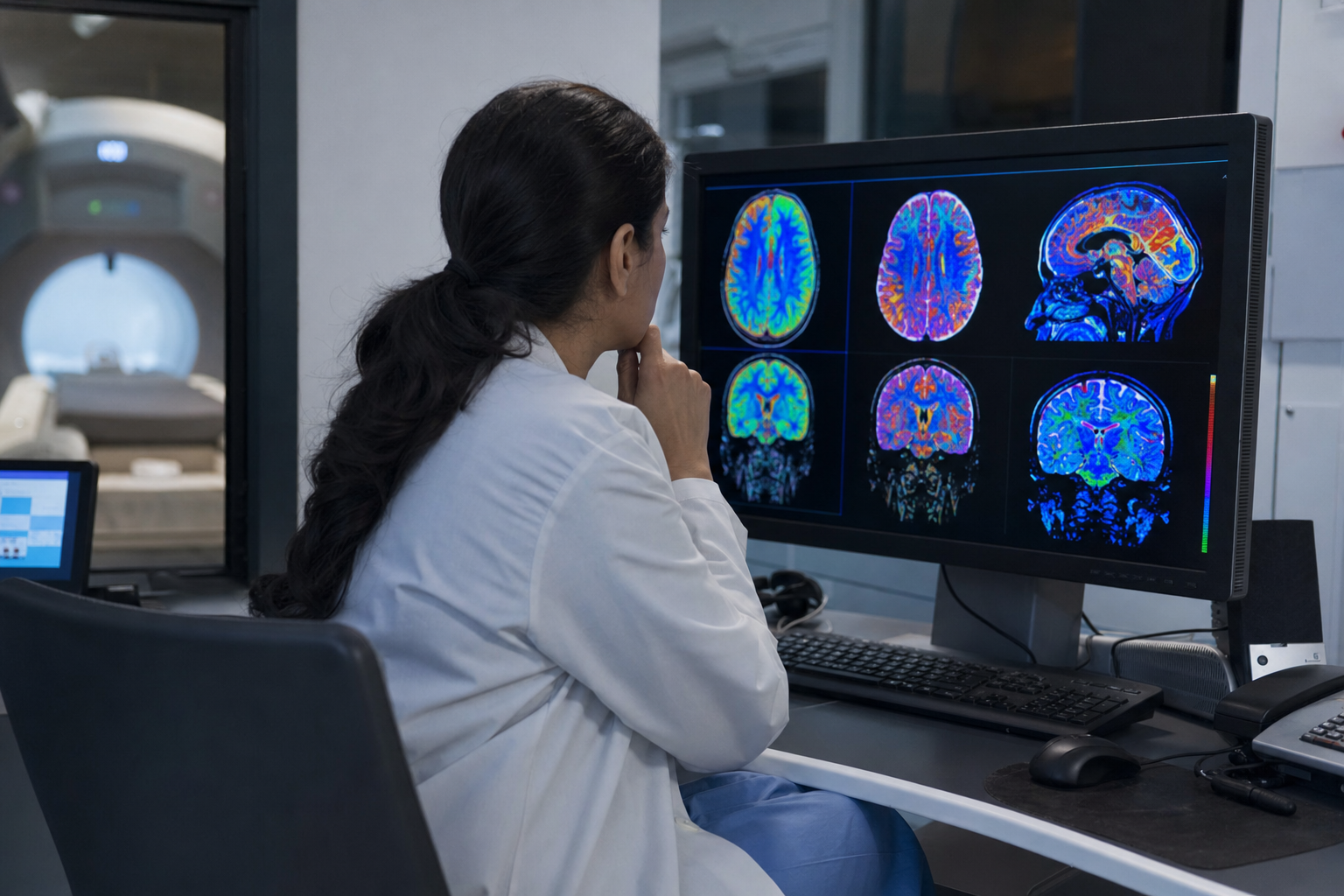
The announcement reflects the growing role of AI across the health care industry. Hospitals and health systems in the Chicago area and nationwide have adopted AI tools for tasks ranging from reading medical images to predicting patient deterioration. But questions about who is responsible when those tools fail have outpaced the regulatory and legal frameworks governing their use.
The AMA represents physicians through a coalition of more than 190 state and specialty medical societies. As the organization behind the Current Procedural Terminology codes used for medical billing nationwide, its policy positions carry significant influence over how health care is practiced and regulated.
The framework does not carry the force of law but is intended to guide federal and state policymakers, health care organizations and AI developers as they establish standards for the use of AI in medicine.