
By Salem Chicago News Staff
CHICAGO — The Alzheimer’s Association and Special Olympics on Sunday announced a partnership to expand brain health education and dementia resources for people with intellectual and developmental disabilities.
The collaboration aims to increase access to support services for individuals, families and caregivers in communities that advocates say have long been underserved by existing programs.
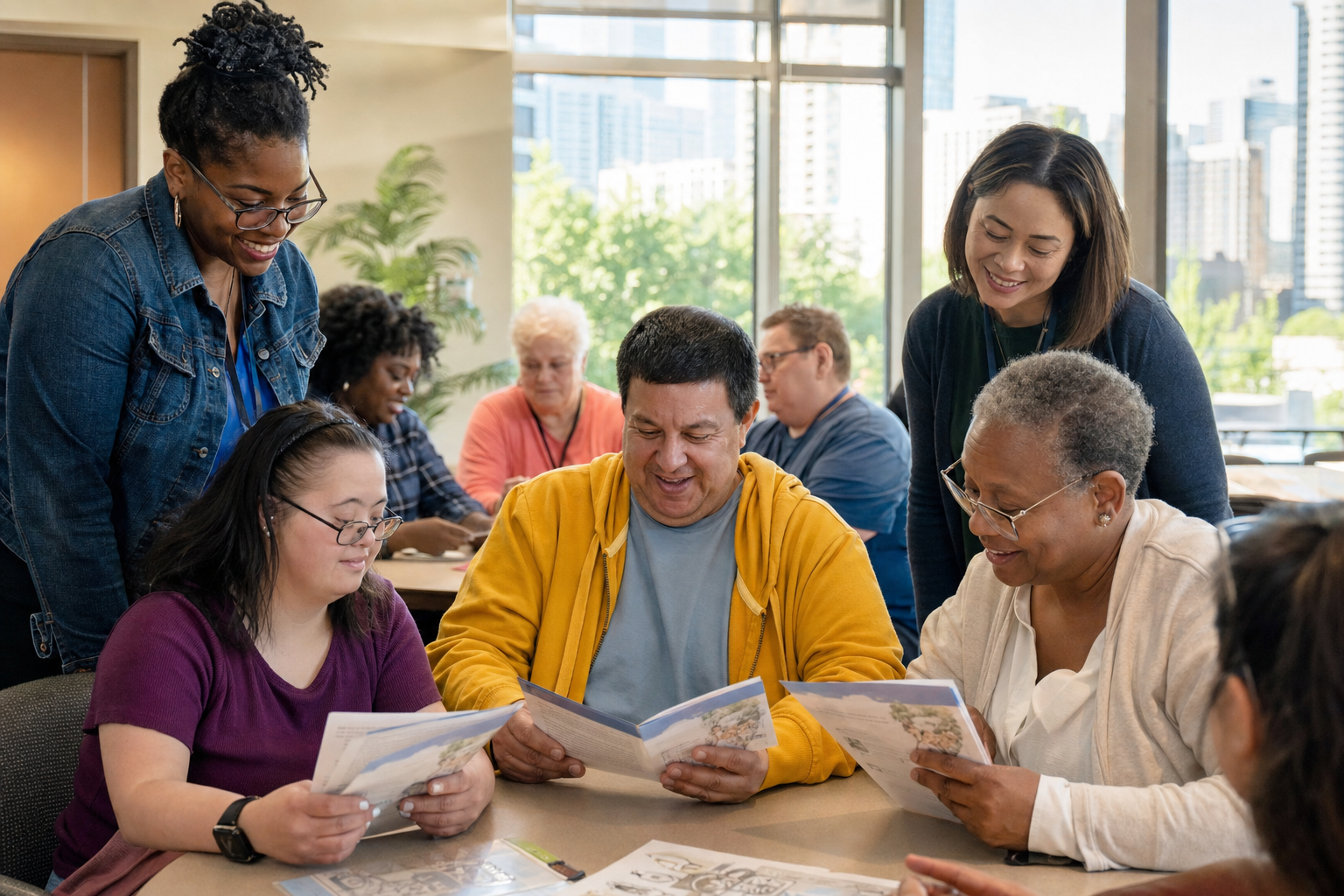
An initial focus of the effort involves adapting the Alzheimer’s Association’s “10 Healthy Habits for Your Brain” resource into an easy-read format designed for people with intellectual and developmental disabilities. The organizations will also work to connect local Alzheimer’s Association chapters with Special Olympics programs across the country.
“This partnership reflects our commitment to making brain health and dementia resources accessible to all communities. Together with Special Olympics, we can better support individuals with intellectual and developmental disabilities, their families and caregivers with trusted information, education and resources,” Carl V. Hill, chief diversity, equity and inclusion officer at the Alzheimer’s Association, said.
Elevated Risk for People With Down Syndrome
The partnership comes as research continues to show that people with Down syndrome face significantly elevated Alzheimer’s risk. Estimates suggest that 50 percent or more of people with Down syndrome will develop dementia due to Alzheimer’s disease as they age. By age 40, most people with Down syndrome have brain changes associated with Alzheimer’s, including the buildup of amyloid plaques and tau tangles, though not everyone develops dementia symptoms.
“People with Down syndrome face a significantly increased risk of Alzheimer’s disease, making trusted brain health and dementia resources critically important,” Dimitri A. Christakis, chief health officer at Special Olympics, said. “Special Olympics is proud to partner with the Alzheimer’s Association to expand the education and resources available to people with intellectual and developmental disabilities, their families and caregivers so they can recognize the signs of dementia, make informed decisions and seek appropriate care.”
Scope of the Collaboration
Through the collaboration, the two organizations plan to increase awareness of brain health and dementia among people with intellectual and developmental disabilities, develop accessible and inclusive health education tools and explore opportunities for local chapters and programs to work together in communities nationwide. The groups will also explore future research and evaluation efforts focused on dementia in the population of individuals with intellectual and developmental disabilities.
The Alzheimer’s Association, headquartered on North Michigan Avenue in Chicago, serves as a worldwide voluntary health organization dedicated to Alzheimer’s care, support and research. Special Olympics, founded in 1968, operates in more than 200 countries with more than 5.1 million athletes.
“As our organizations work together, we have an opportunity to build stronger connections between our local networks and create meaningful pathways to education, support and care,” Hill said. “Together, we can help ensure that people with intellectual and developmental disabilities and their families have access to the resources they need throughout every stage of life.”
The Alzheimer’s Association can be reached at 800-272-3900 or at alz.org.