By Townhall Chicago News Staff
Economic concerns from the trucking industry received more attention from federal regulators than public health and climate arguments during the development of heavy-duty vehicle emissions standards, according to a Northwestern University study published this week.
Northwestern engineers used artificial intelligence and other computational tools to analyze nearly 5 million words from public comments submitted to the U.S. Environmental Protection Agency during its rulemaking process for heavy-duty truck emissions, according to a university news release published Tuesday.
“Heavy-duty trucks make up 5% of vehicles on the road, but they produce 28% of greenhouse gas emissions,” Amanda Stathopoulos, the study’s senior author and associate professor of civil and environmental engineering at Northwestern’s McCormick School of Engineering, said in the release. “Because heavy-duty vehicles make a disproportionate impact, we’ve been trying to understand why the transition from diesel to electric isn’t happening.”
The researchers examined the EPA’s Phase 3 greenhouse gas emissions standards for heavy-duty vehicles, which were proposed in April 2023 and finalized in March 2024 under the Biden administration. The EPA repealed the standards in February under the Trump administration, but the public comments and regulatory responses still provided a case study in how competing interests shape environmental policy, according to the release.
Stathopoulos and her team analyzed 1,171 unique public comments containing approximately 4.74 million words, along with the EPA’s official written responses. The researchers used computational methods to identify recurring themes such as environmental benefits, economic costs and implementation challenges, then employed AI language models to analyze sentiment and evaluate the substance of comments.
“We found the EPA gives more attention to stakeholders from the heavy-duty vehicle industry regardless of how substantive their public comments were,” Stathopoulos said in the release. “And, ultimately, the EPA finalized requirements that were softer than originally proposed.”
The EPA was more likely to acknowledge comments about costs and implementation timelines, as well as comments from the trucking industry, than those focused on public health and climate benefits, the analysis found.
“The barrier to entry to submit a comment is basically zero,” Stathopoulos said. “The process is open to essentially anyone who wants to weigh in on proposed regulations.”
However, agencies are only legally required to respond to substantive comments and are not obligated to address every submission, she noted.
The study was published in the journal Sustainable Cities and Society. Deirdre Edward, a former doctoral student in Stathopoulos’ research group, was the study’s first author.
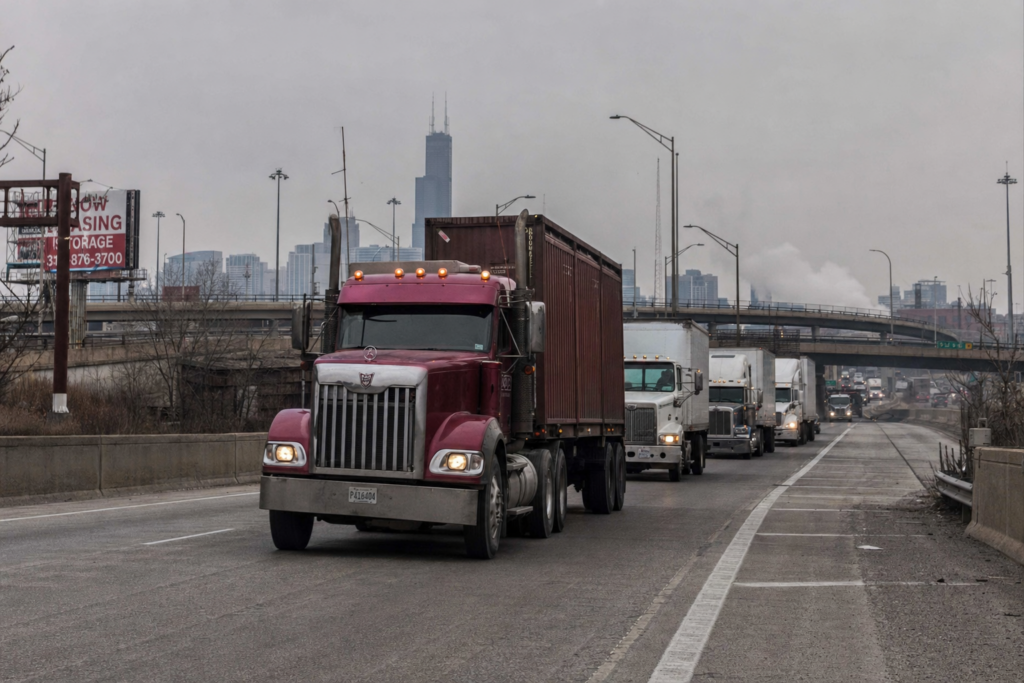
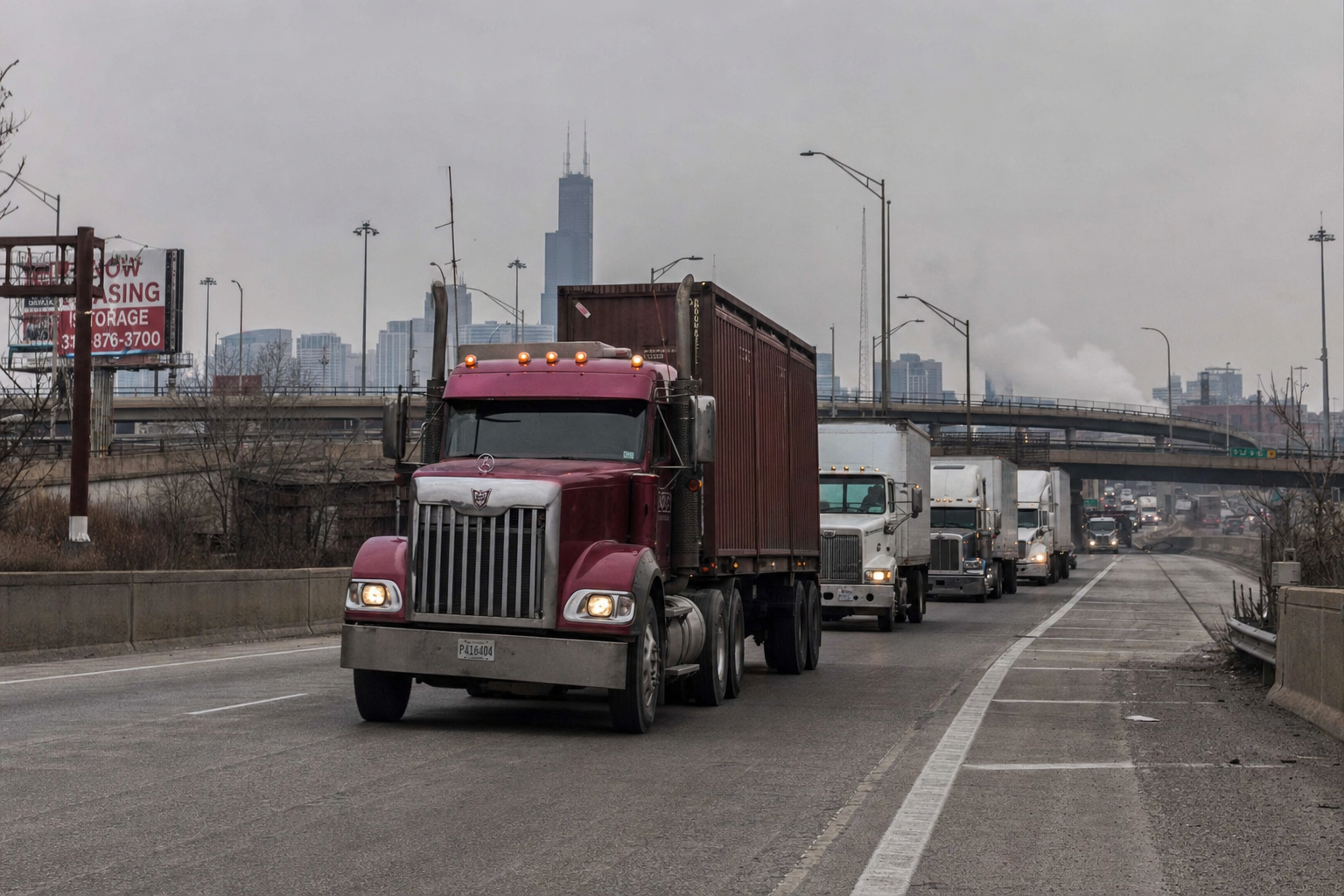
The findings carry relevance for Chicago, where communities on the South and West sides have long faced disproportionate environmental burdens from truck traffic, industrial emissions and freight corridors. Environmental justice advocates in the region have pushed for stricter regulation of diesel emissions and heavy-duty vehicle pollution near residential areas.
Stathopoulos said the research also demonstrates how AI tools can help scholars and the public better understand the complex processes that shape government policy, given the enormous volume of public comments that federal agencies receive during rulemaking.
The research was conducted through the Mobility and Behavior Lab, which Stathopoulos leads at the McCormick School of Engineering in Evanston.