By Townhall Chicago News Staff
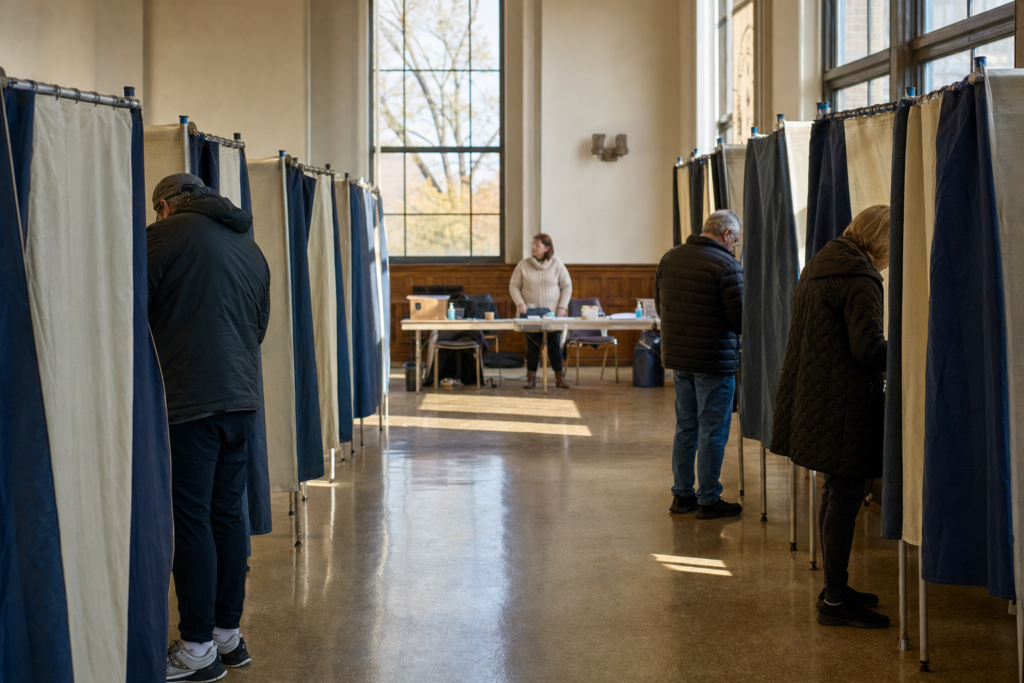
Mayor Brandon Johnson on Wednesday highlighted what he called overwhelming voter support for advisory ballot measures endorsing a millionaires tax, increased corporate taxes and expanded mental health resources in Tuesday’s midterm general election.
The nonbinding results signal strong public appetite in Chicago for progressive fiscal policy and could bolster the mayor’s push for new revenue streams during upcoming budget negotiations and legislative sessions in Springfield.
More than 80 percent of Chicago voters backed two advisory questions asking whether Illinois should impose a 3 percent income tax surcharge on millionaires, with the revenue directed toward property tax relief and public education, according to a Nov. 4 news release from the mayor’s office.
“From Texas to Michigan, from North Lawndale to Rogers Park, the message voters sent yesterday was unmistakable — working people want leaders who put their values and their interests ahead of corporate greed,” Johnson said in the release. “The people of Chicago have spoken, and it is our responsibility as elected leaders to listen and act.”
In select precincts in the 5th, 8th, 21st and 24th wards, voters were asked whether corporations with 500 or more employees should be taxed to fund youth employment, public mental health care and violence prevention services. Of 3,785 voters in those precincts, 3,339, or 88.2 percent, voted in favor, with support exceeding 85 percent in every reporting precinct and reaching 93.3 percent in the 21st Ward’s 25th Precinct, according to the release.
The corporate tax proposal mirrors the Equitable Employer Tax in Johnson’s fiscal year 2027 Fair Share Budget, which is projected to raise over $112 million by taxing companies with more than 125 employees. That would encompass 2.8 percent of corporations operating in Chicago, according to the mayor’s office.
Voters also backed an advisory question on whether the city should pursue compensation from the Trump administration for the economic costs of federally directed immigration enforcement operations. More than 85 percent of voters said the city should pursue all legal means to recover money from the federal government, including lost tax revenue, declines in small business revenue, public safety response costs and services provided to residents affected by immigration enforcement.
On expanded mental health services, 84.2 percent of 88,793 participating residents voted in favor. Support reached 85.6 percent in precincts on the Mid-North Side and 82.3 percent on the Far Southwest Side, according to the release.
Johnson’s budget proposal would build on the city’s existing mental health efforts by reopening another mental health clinic and providing permanent funding to the Crisis Assistance Response and Engagement (CARE) alternative response program, which the mayor expanded citywide earlier this year, the release said.
The results are consistent with data gathered during the city’s fiscal year 2027 budget engagement process, which found that 88 percent of Chicago residents support taxing large corporations to fund city services and close the city’s projected budget deficit, according to the mayor’s office.
All of the ballot questions were advisory and nonbinding, meaning they do not compel legislative action. Johnson said he remains committed to working with the City Council, the General Assembly, Gov. J.B. Pritzker and other elected leaders to advance progressive revenue measures.
The next step for the corporate tax proposal is the ongoing City Council budget process, where aldermen will debate the Equitable Employer Tax as part of the broader fiscal year 2027 spending plan.