By Townhall Chicago News Staff
The Cook County State’s Attorney’s Office on Wednesday presented oral arguments before the Seventh Circuit Court of Appeals defending the county’s sanctuary ordinance against a federal challenge to local policies that limit cooperation with immigration enforcement.
The case, U.S. v. Illinois, et al., targets sanctuary policies implemented by Cook County, the city of Chicago, the state of Illinois and other local jurisdictions. The Cook County State’s Attorney’s Office is defending the county’s Policy on Responding to ICE Detainers, which prohibits county employees from providing Immigration and Customs Enforcement with information about an individual’s incarceration status or release date.
“The federal government should not be targeting people because of how they look or the language they speak,” Cook County State’s Attorney Eileen Burke said in a statement after arguments concluded. “Sanctuary policies are meant to foster increased trust with law enforcement so they can protect everyone, including hardworking families who are contributing to our communities.”
Burke called the federal government’s challenge “baseless and yet another example of troubling overreach that threatens public safety,” according to the statement.
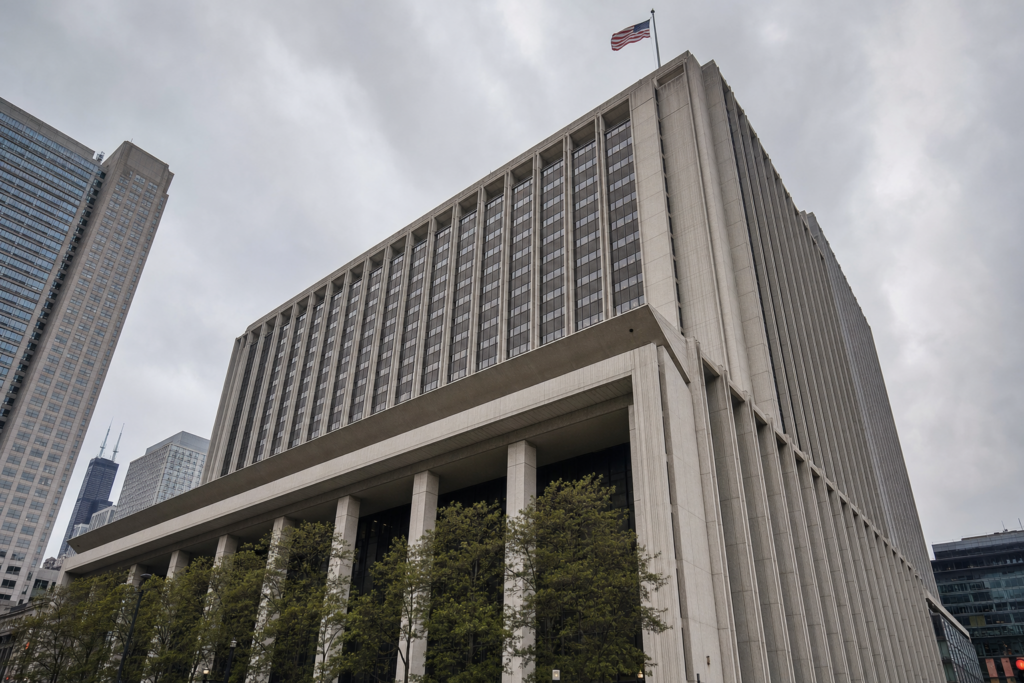
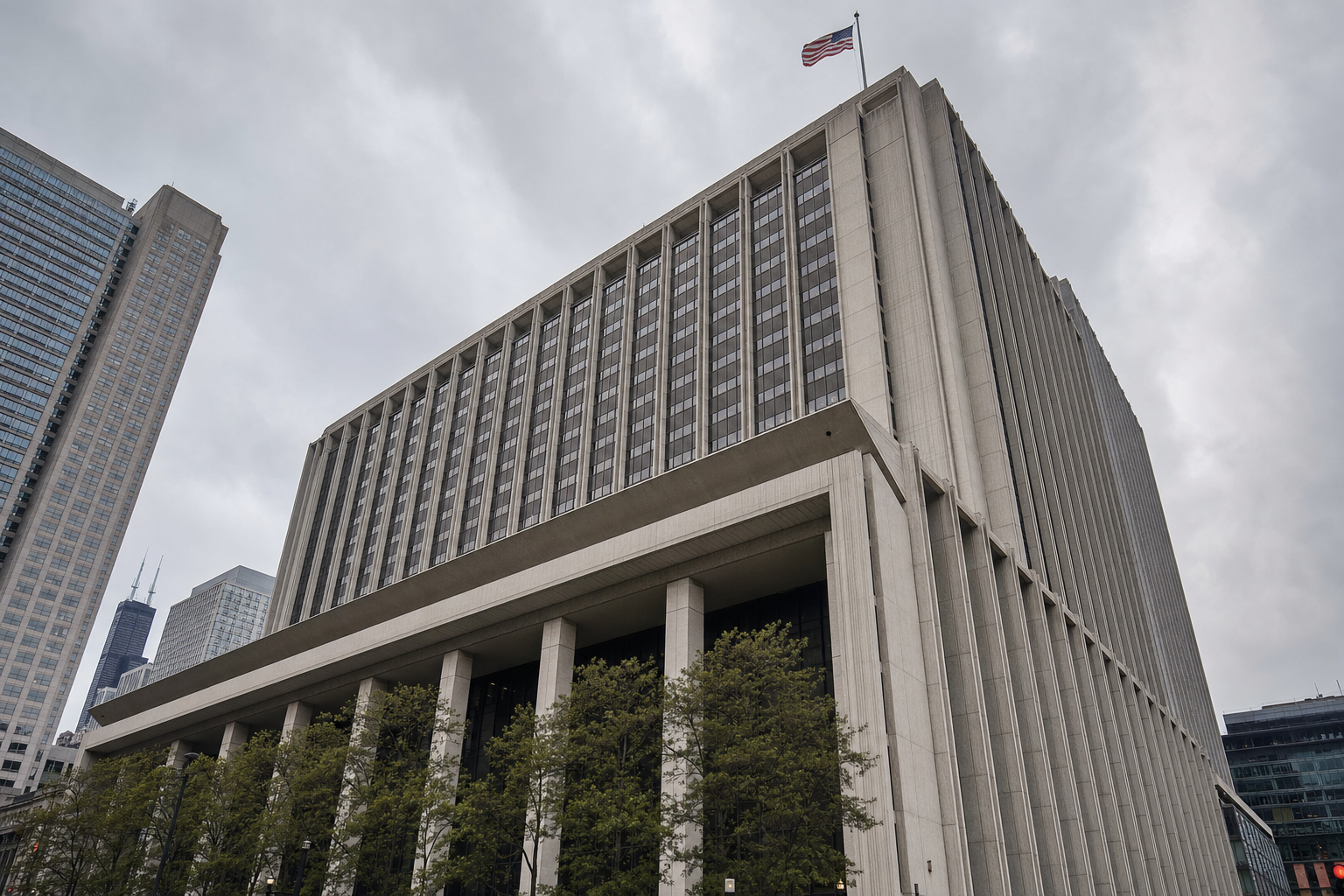
A three-judge panel heard roughly an hour of oral arguments at the Dirksen Federal Building in downtown Chicago but did not issue a ruling Thursday, according to published reports of the proceedings. The appeal comes more than a year after U.S. District Court Judge Lindsay Jenkins dismissed the Trump administration’s original lawsuit in July 2025.
The administration’s lawsuit argued that Chicago’s Welcoming City ordinance, the Illinois Trust Act and Cook County’s sanctuary policy represent “an intentional effort to obstruct the Federal Government’s enforcement of federal immigration law,” according to court filings.
Department of Justice attorney Michael Talent argued during Thursday’s hearing that the policies create a “dangerous and difficult” situation for federal agents, who are barred from entering detention facilities across Illinois and must attempt to detain individuals on public streets after their release, according to published accounts of the proceeding.
But appellate judges pressed back on the administration’s arguments. Judge Rebecca Taibleson noted that Congress has been “a little bit cute or cagey” about defining what states are required to do regarding information sharing and custody handovers, and said current immigration laws “clearly stopped short of requiring” such action, according to published accounts.
Alex Hemmer, Illinois’ deputy solicitor general, said during the hearing that the state has chosen not to task police with enforcing federal immigration law and that nothing in the Immigration and Nationality Act requires states to do so.
The case is being closely watched as immigration enforcement remains a flashpoint nationally and in the Chicago region. The original dismissal of the lawsuit was considered a significant win for officials including Mayor Brandon Johnson and Gov. JB Pritzker.
The three-judge panel is expected to issue its ruling in the coming weeks or months. A decision to revive the lawsuit could reignite legal battles over billions of dollars in federal aid to Chicago and Illinois.