By Townhall Chicago News Staff
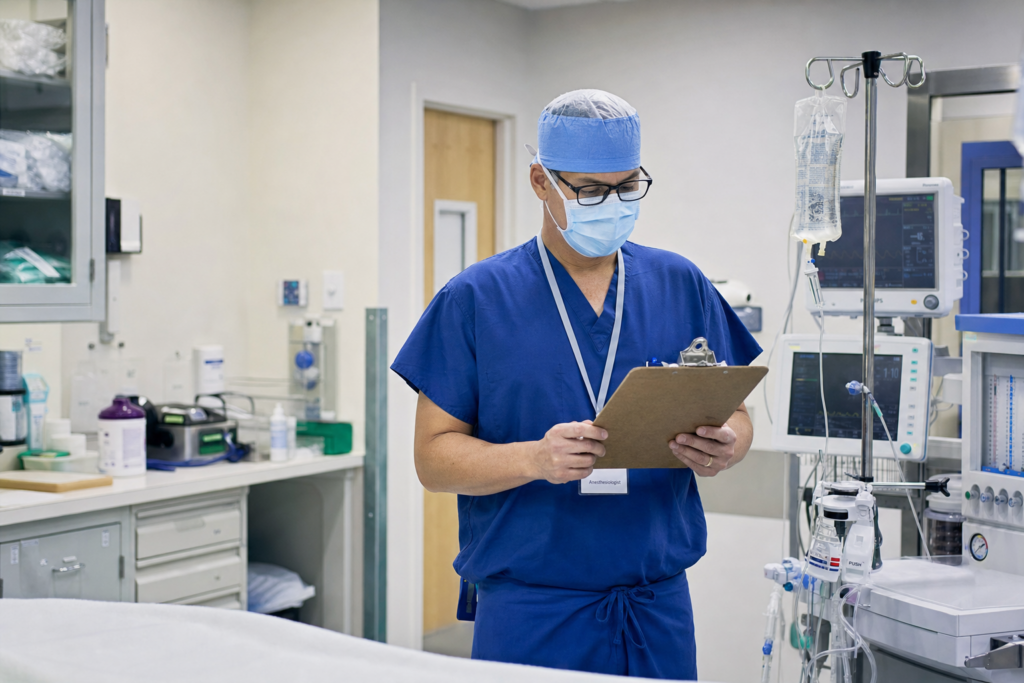
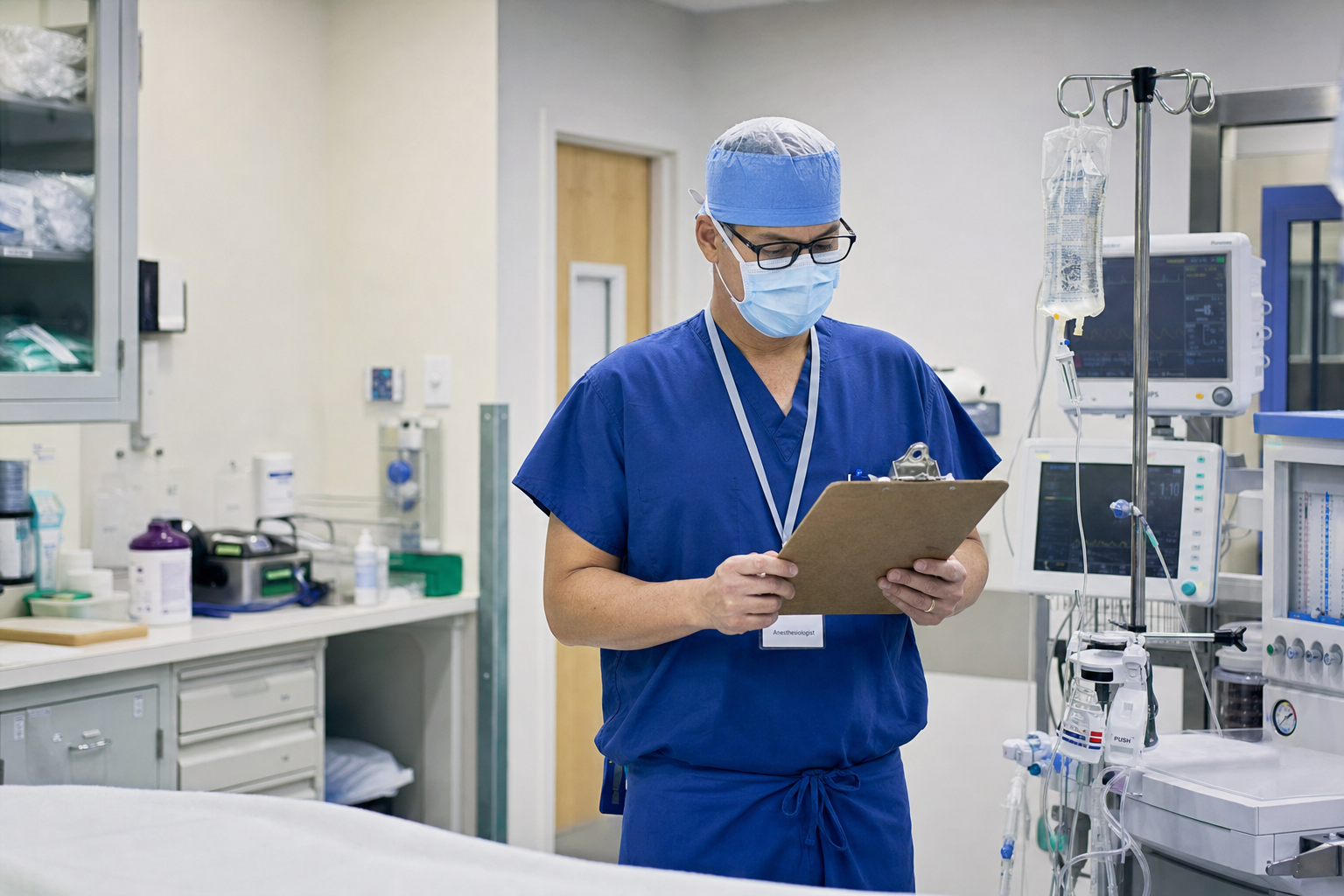
Patients who smoke or vape cannabis may require significantly more anesthesia during upper endoscopy procedures than those who use edible cannabis or do not use the drug at all, according to a study presented Saturday at the American Society of Anesthesiologists’ annual meeting in San Diego.
The ASA, headquartered in Schaumburg, released the findings as part of the ANESTHESIOLOGY 2026 conference. The research reviewed 280 gastrointestinal endoscopic procedures at a single center and included 264 patients with complete information about their cannabis use, according to a news release dated Oct. 18.
“The most important message for patients is to be honest with their anesthesiologist about cannabis, including how they use it — smoking, vaping or edible products — how often they use it and when they last used it,” Basavana Goudra, M.D., lead author of the study and an anesthesiologist at Sidney Kimmel Medical College in Philadelphia, said in the release.
The study found that the method of cannabis consumption matters for anesthetic planning. Among the 264 patients studied, 217 were non-users, 38 reported inhaled use and nine reported oral use such as gummies or other edibles.
When researchers examined all cannabis users together, they found no significant difference in the initial dose of propofol compared to non-users. But when patients were separated by how they consumed cannabis, a distinct pattern emerged, according to the release.
The average initial propofol dose was 138.7 mg among non-users, 168.5 mg among those who inhaled cannabis and 114.2 mg among those who consumed it orally. The difference was most substantial among patients undergoing upper endoscopy, known as EGD, in which an endoscope passes through the patient’s mouth, throat and upper airway.
In EGD patients, inhaled cannabis users required 192.8 mg of propofol, compared to 151.4 mg among non-users and 145.0 mg among oral cannabis users, according to the study. No meaningful differences were observed among patients undergoing colonoscopy.
“For physicians, simply asking, ‘Do you use cannabis?’ may no longer be sufficient,” Goudra said in the release.
The researchers noted that inhaled and edible cannabis products are processed differently by the body. Smoking or vaping delivers tetrahydrocannabinol, the main psychoactive component in cannabis, rapidly through the lungs. Edible THC is processed through the liver, producing different metabolites and changing how quickly effects begin and how long they last, according to the release.
The study authors also noted that regular inhalation of cannabis may irritate the upper airway, potentially requiring deeper anesthesia to help patients tolerate the endoscope.
The findings may help explain conflicting results in earlier research on cannabis and anesthesia, which often grouped cannabis users together without distinguishing how they consumed it, the researchers noted in the release.
The study’s other authors included Katherine Green from Johns Hopkins University and Ankitha Jagadeesh from Rutgers University.
The researchers emphasized that the results do not suggest patients who inhale cannabis should delay or avoid medically necessary endoscopy. Instead, the findings underscore the importance of sharing complete and accurate information before a procedure so anesthesiologists can tailor care, according to the release.
The ASA is an educational, research and scientific society with more than 62,000 members.